
Journal
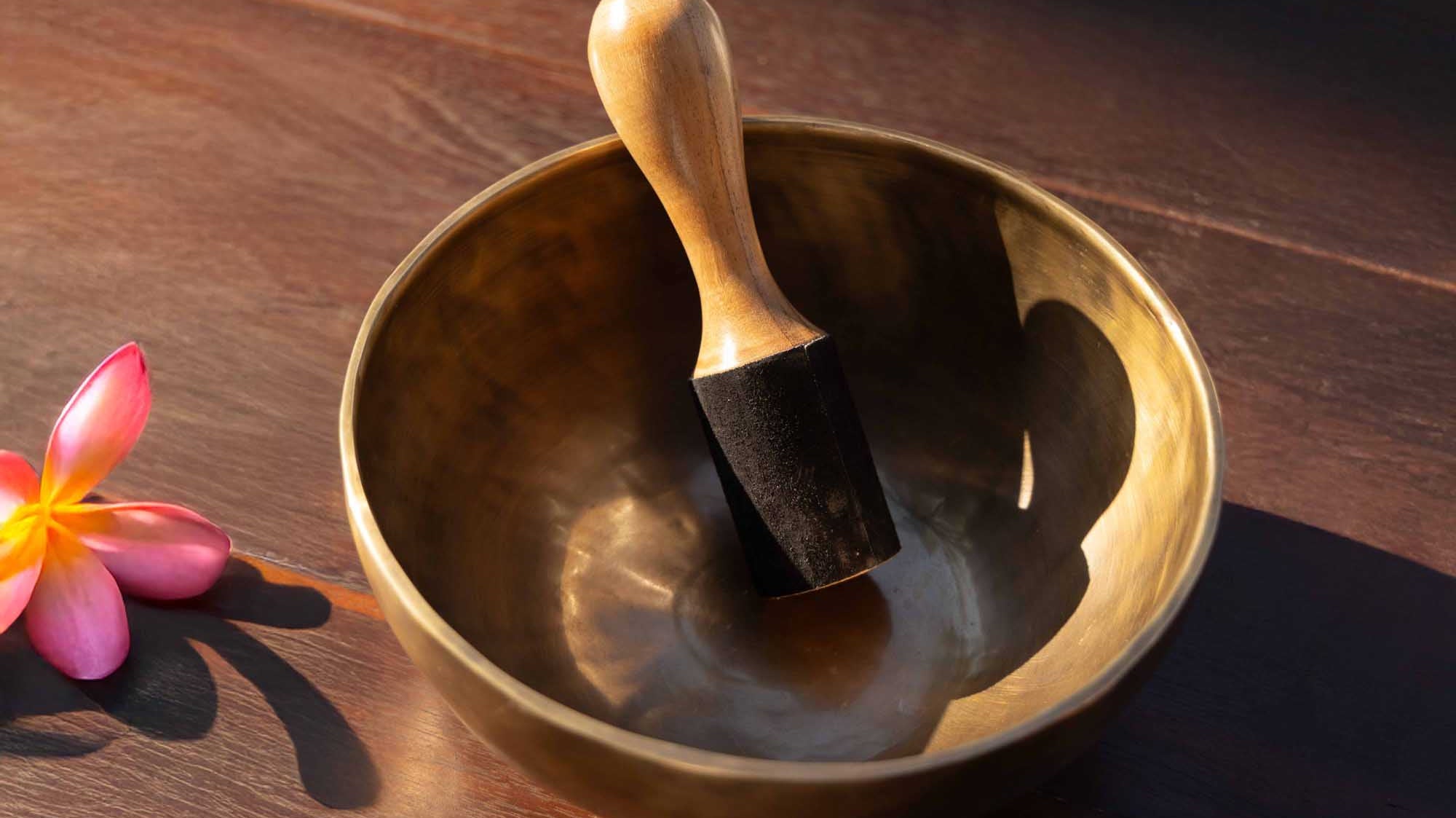
Why Does the Sound of a Singing Bowl Help You Slow Down?
A singing bowl can feel relaxing because it creates sustained resonance, harmonic layers and a stable frequency field the brain can follow.
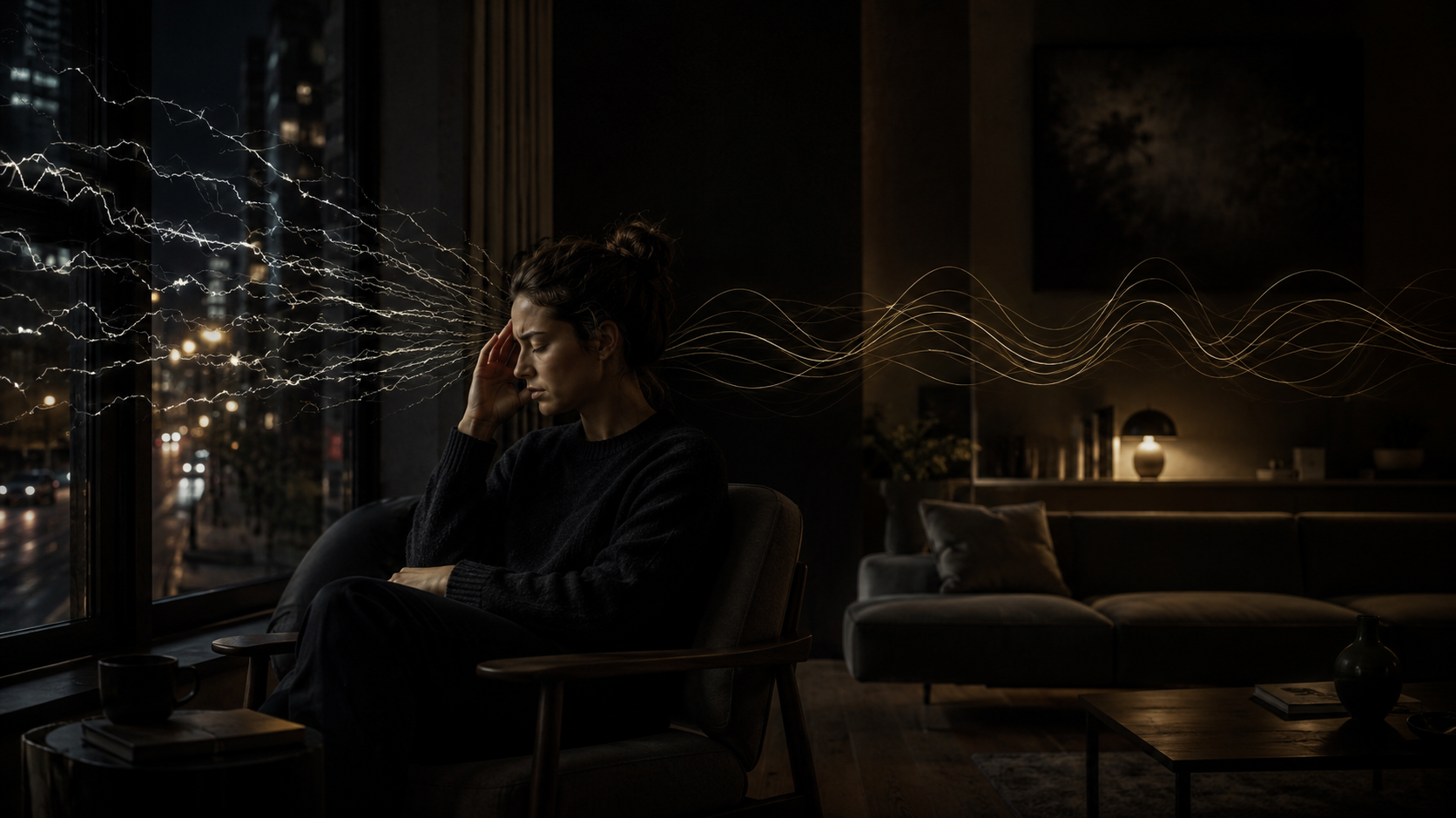
Why Certain Sounds Disturb Us Physically
Some sounds do more than annoy us. They fragment attention, create tension and trigger physical responses. Here is why sound structure matters.
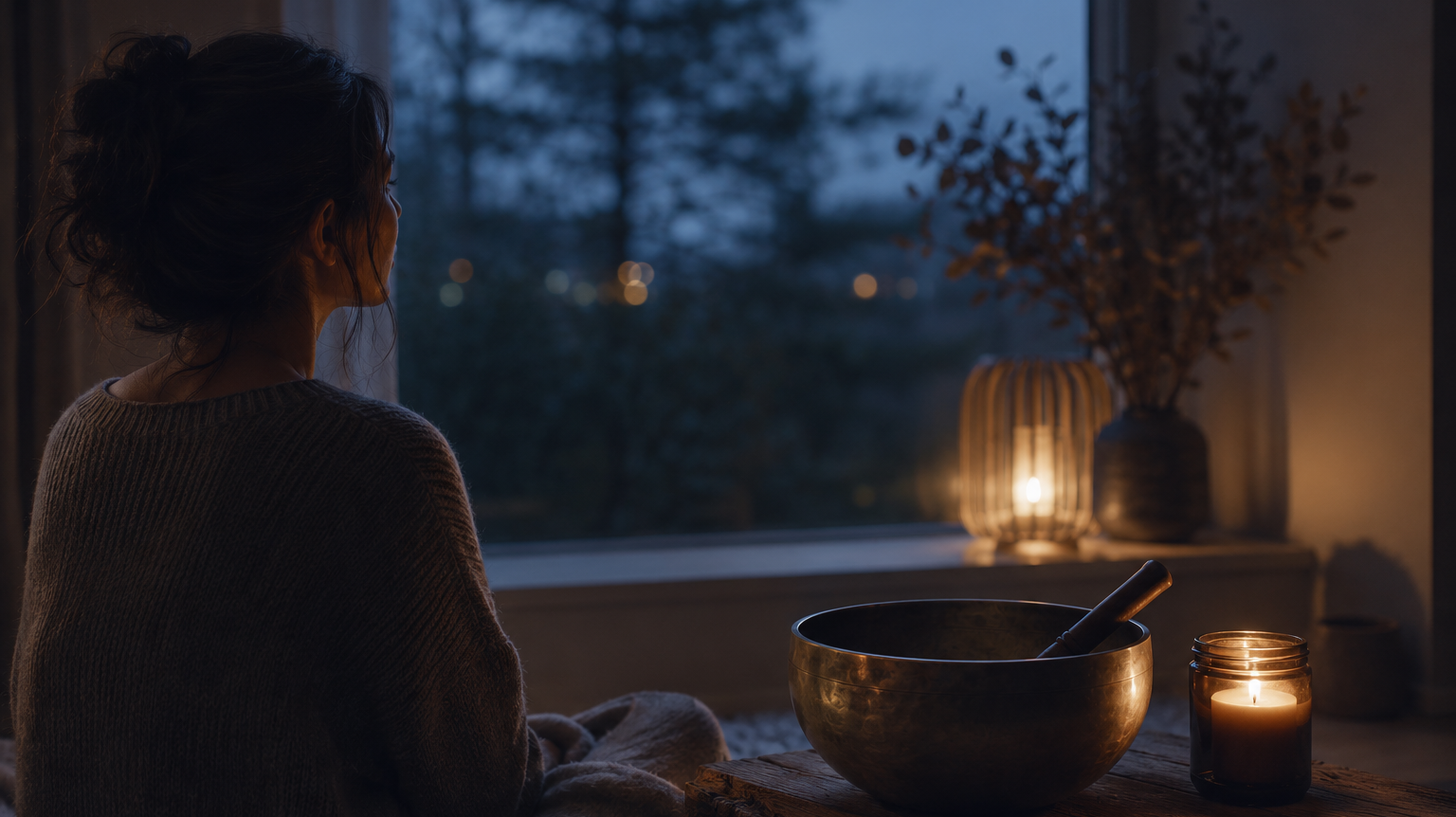
Silence Is Not Always Restful
Silence can sometimes make the mind louder. Learn why the brain may need a stable sound signal to create structure, reduce fragmentation and support rest.
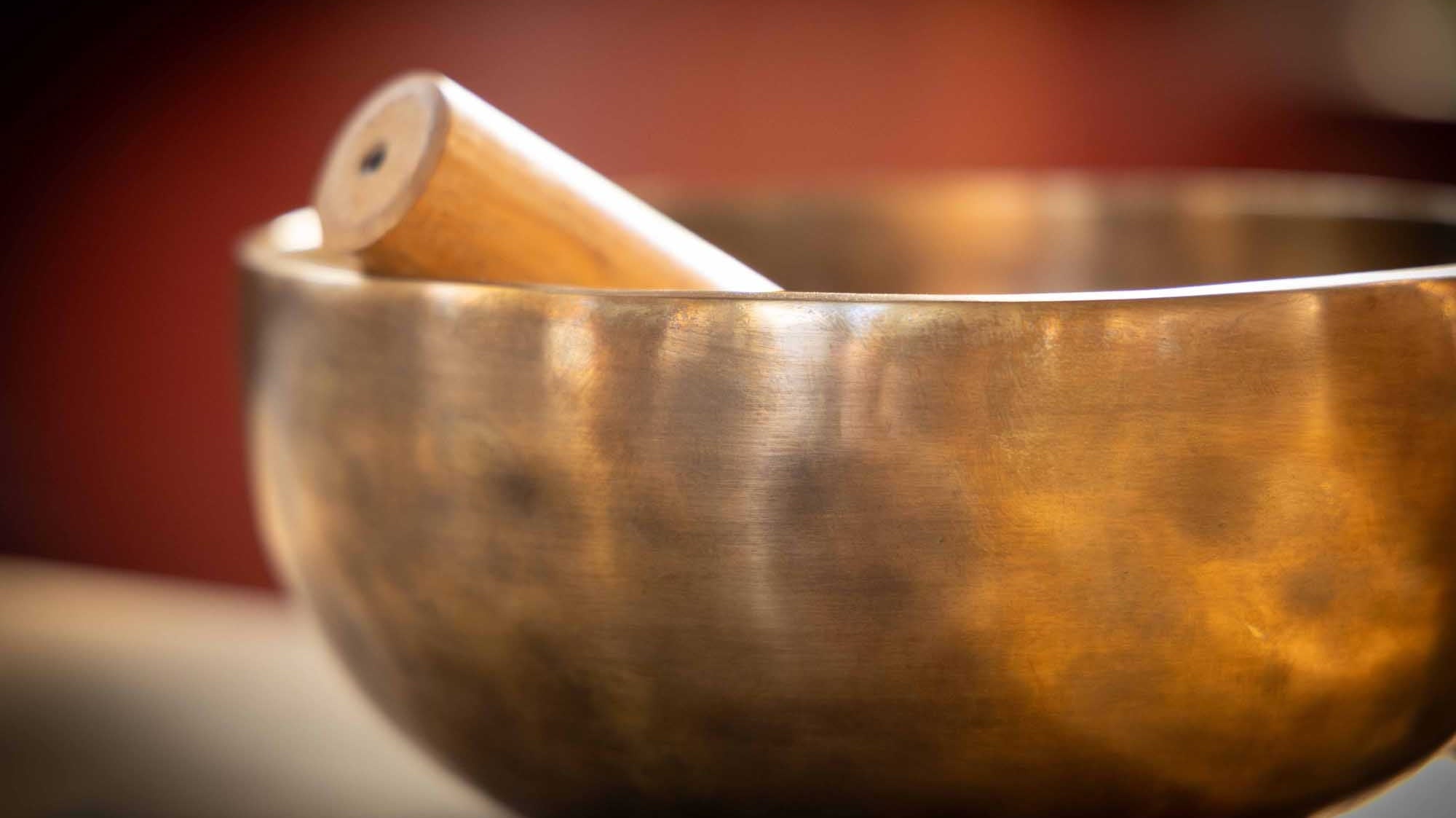
How to Recognize a Real Tibetan Singing Bowl
A complete guide to recognizing a real Tibetan singing bowl: craft, hammering, resonance, realistic pricing and what to watch for.

Singing Bowl and Sleep: How to Use It at Night
A simple guide to using a singing bowl for sleep and evening transitions.
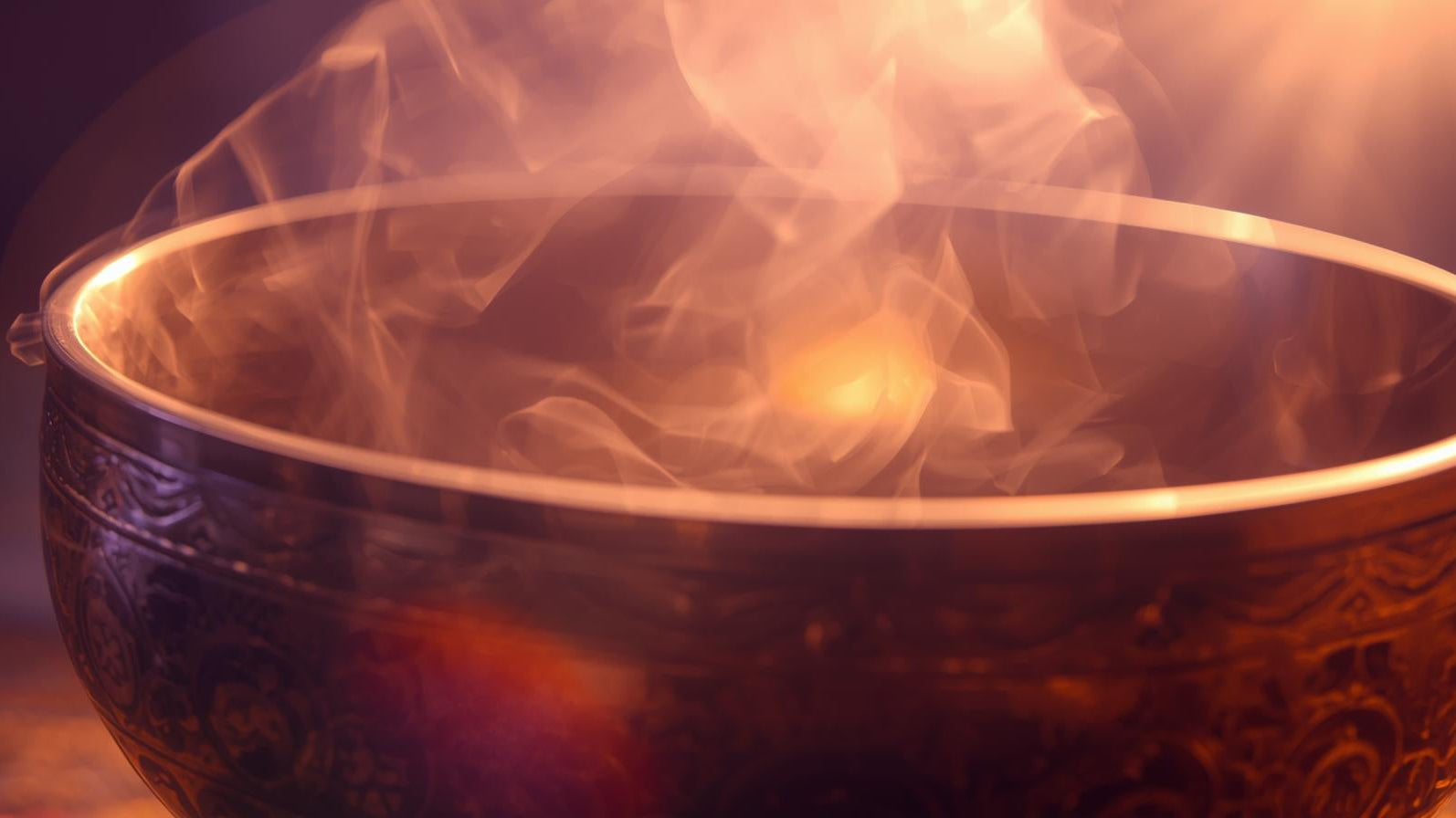
Tibetan Singing Bowls: Real Benefits vs Misconceptions
Discover the real benefits of Tibetan singing bowls and what is actually happening from an acoustic and perceptual perspective.
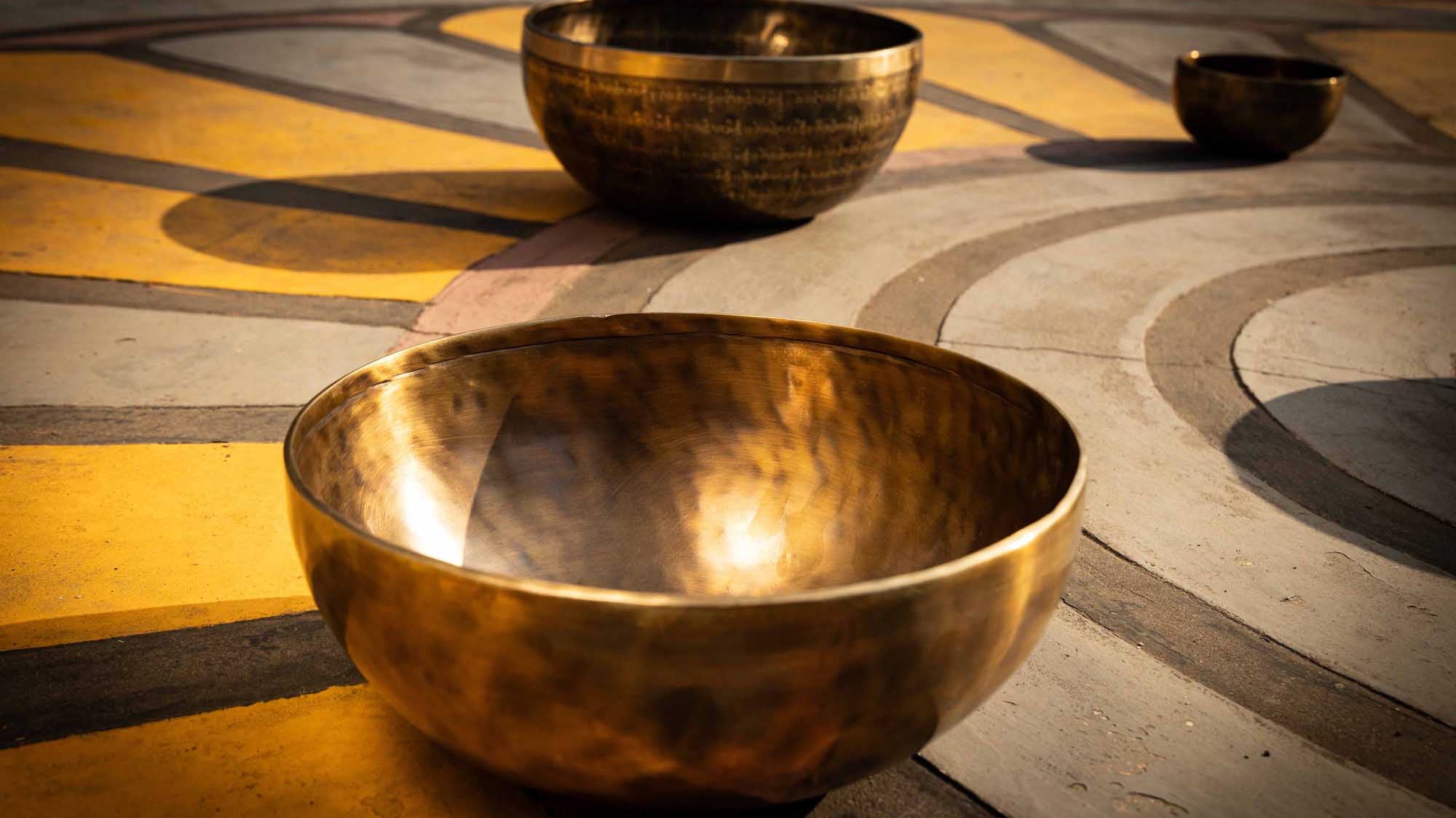
Which Tibetan Singing Bowl Should You Choose? A Guide by Size, Use, Notes, Chakras and Resonance
Small, medium, large or XL: discover which Tibetan singing bowl to choose according to size, weight, diameter, note, chakras, alloy, sound quality, vibrations and real use.
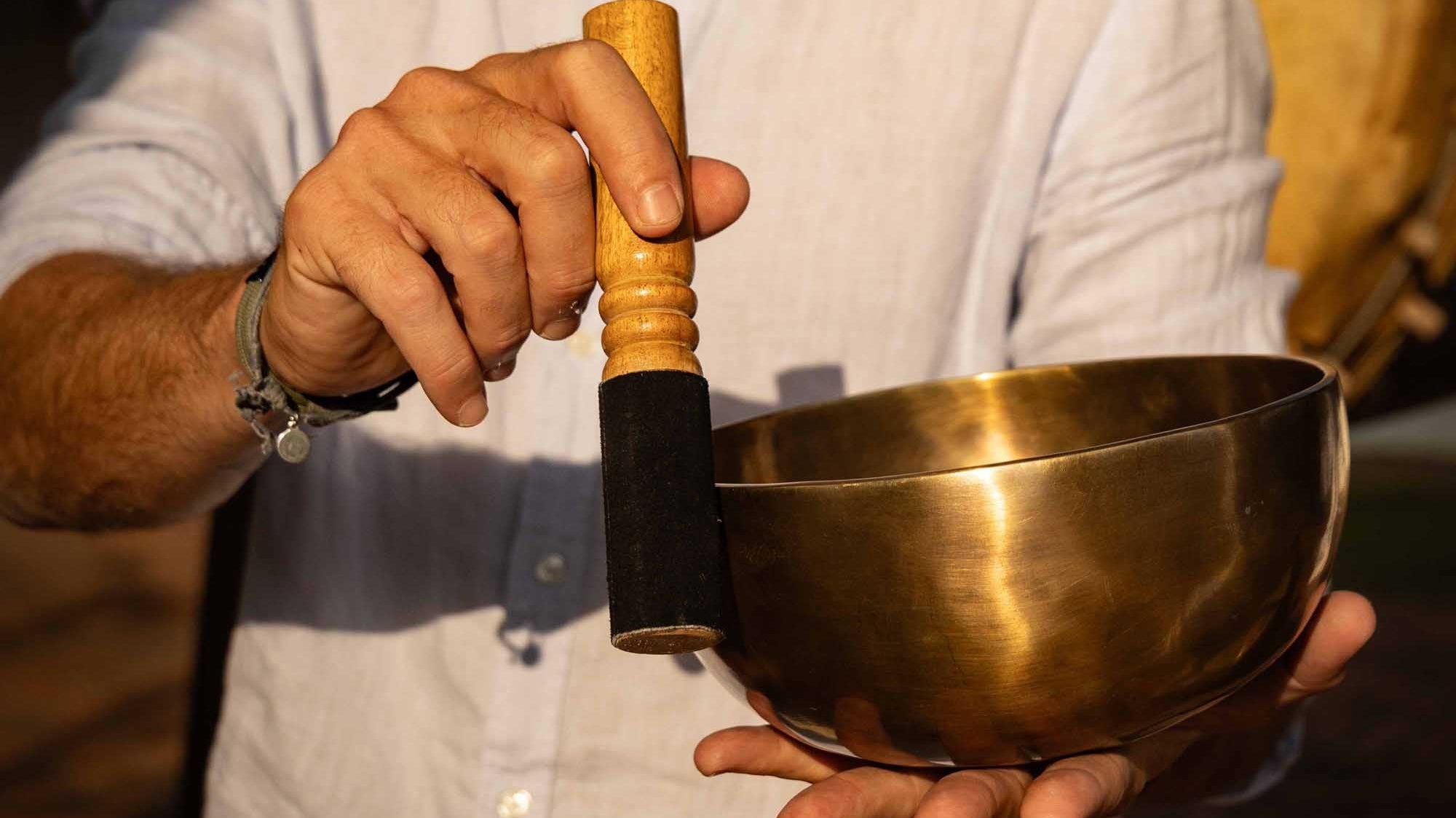
How to Use a Tibetan Singing Bowl
Learn how to use a Tibetan singing bowl the right way: striking, rim technique, common mistakes, and how to choose the right format to create a stable and coherent sound experience.
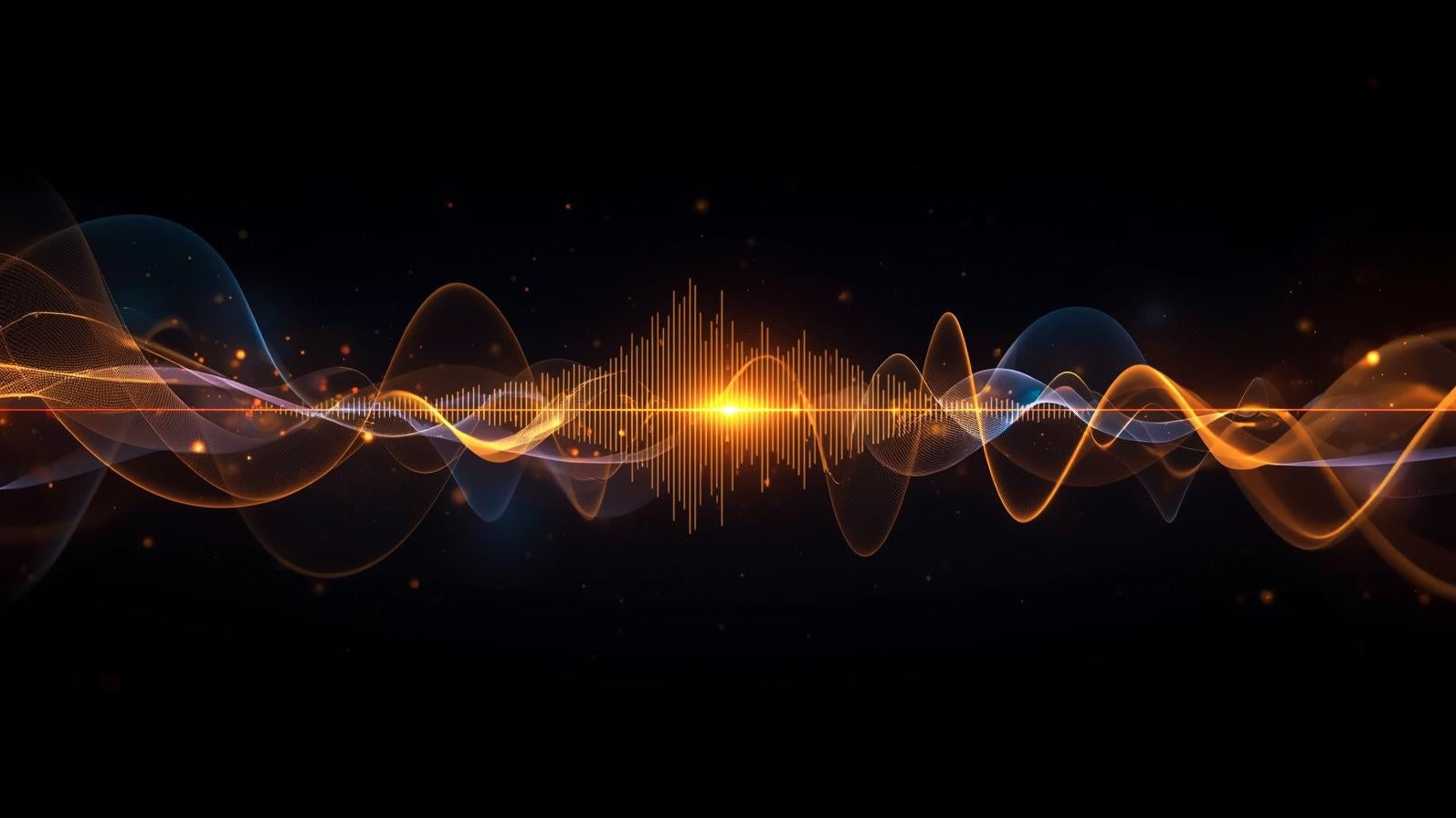
432 Hz, 528 Hz, 288 Hz: What These Frequencies Actually Do
Not all frequencies act the same. This guide explains how 432 Hz, 528 Hz and 288 Hz influence perception, attention and nervous system states.

